
Strengthen the social and economic resilience of producer households in your supply chains
Accueil » Producer resilience
- VSLA: Village Savings and Loan Association
- GALS: Gender Action Learning System

Building Resilience Among Producers Through a Sustainable and Inclusive Approach
Fighting Child and Forced Labour
Monitoring and remediation of child labour
We are rolling out systems in rural communities to identify, monitor and remedy child labour and forced labour (CLMRS). Community Liaison Officers and Monitoring and Remediation Officers carry out visits to households and farms to identify children not attending school, those working on plots of land, and those at risk. Each case is then assessed individually to understand the causes and draw up a tailored action and remediation plan, with ongoing monitoring.
Support tailored to the specific needs of each child
Our support may include the distribution of school kits (school bags, uniforms, school supplies), assistance in obtaining a birth certificate or a court-issued authorisation in lieu of a parent’s consent, or referral to catch-up classes for children who have dropped out of school or are falling behind academically.
Raising awareness on the importance of schooling with our tailored educational materials
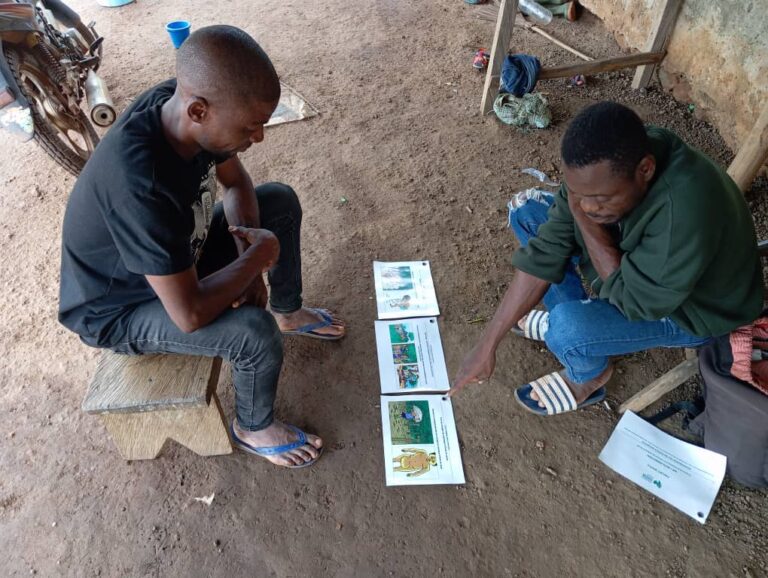
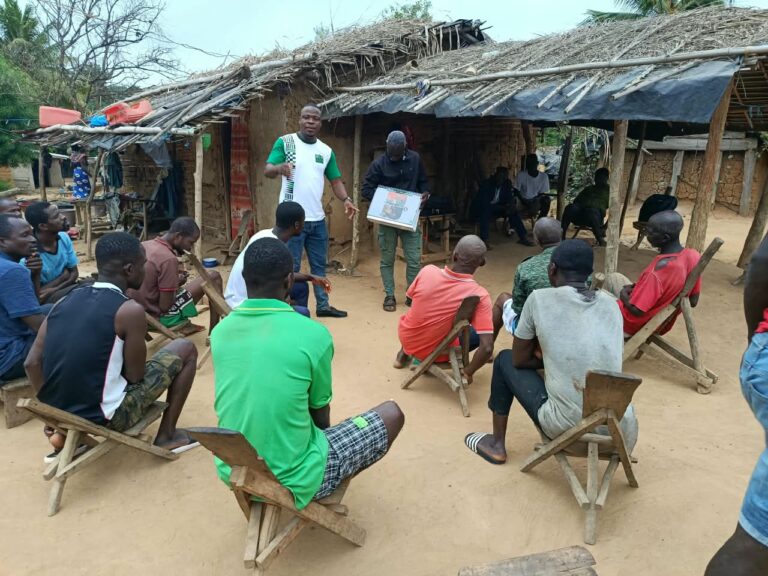
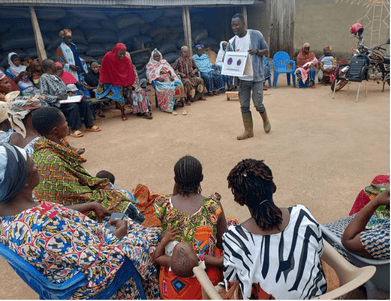
We carry out initiatives to raise awareness on the importance of education and school attendance amongst cocoa-farming households, in particular through the use of our ‘Picture Boxes’. These boxes use illustrations to ensure they can be understood by everyone, including those who cannot read or write. Tailored to the local context, they enable us to discuss the long-term benefits of schooling with parents, challenge certain perceptions, and promote girls’ education.
Strategic partnerships to support local infrastructure
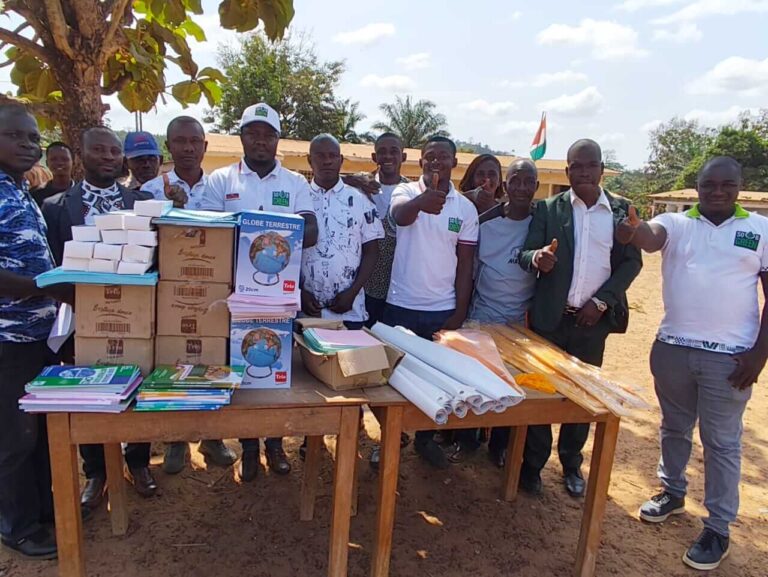
We develop partnerships with NGOs to support local infrastructure. We support initiatives aimed at improving learning conditions, implemented as part of sustainability programmes and in collaboration with our partners.
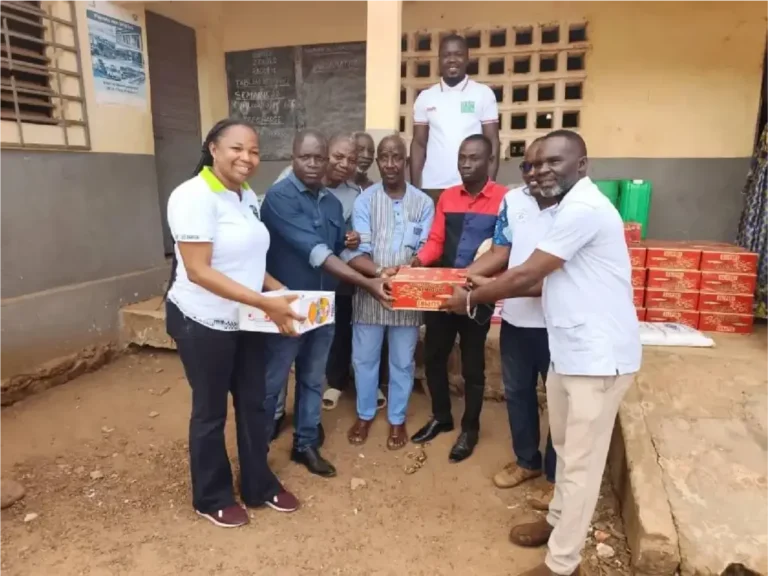
In this context, So-B-Green identifies the beneficiary schools, organises and oversees the distribution of educational materials, and monitors the implementation of these initiatives. Depending on the programme, these may include supplies and kits for children, as well as teaching and learning materials for schools.
Initiatives carried out directly by So-B-Green
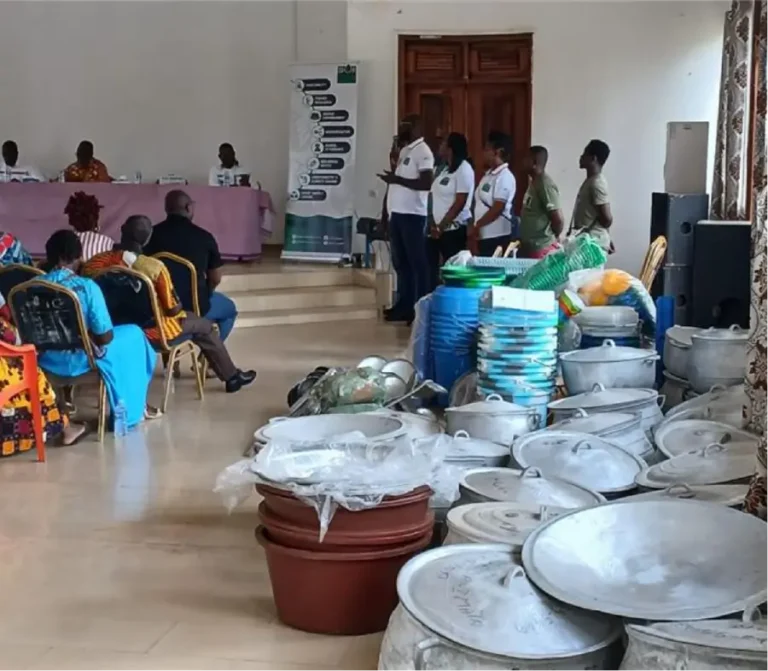
In addition to our partnerships, and with a view to strengthening the conditions for sustainable schooling, So-B-Green runs its own initiatives to support school canteens, notably through donations of non-food items such as cooking pots, spoons, cups and water jugs.
Financial Independence and Gender Inclusion
Gender Action Learning System (GALS)
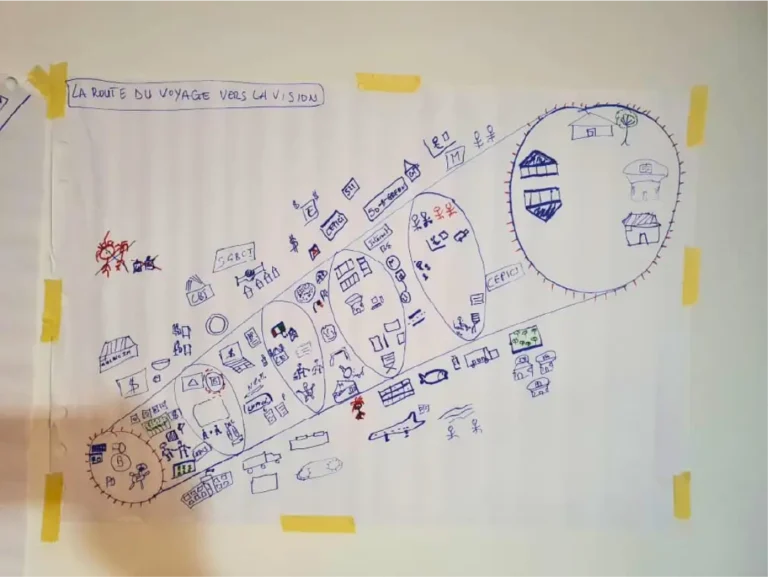
We support women using the GALS methodology, a participatory approach that enables them to develop their own individual career action plans, using their own words and perspectives. Whether it involves agricultural entrepreneurship, trade, livestock farming or another activity, each participant identifies for herself her objectives, the obstacles she may face and the opportunities she can capitalise on.
Beyond simply defining a project, this process serves as a powerful tool for building confidence and motivation. It helps women to overcome certain psychological barriers, to recognise their own capabilities and to envisage, in practical terms, how they will achieve their goals.
Our field agents then provide guidance on implementing the project and carry out regular follow-ups, offering financial, moral and practical support to help them achieve the goals they have set for themselves.
Village Savings and Credit Associations (VSLA)
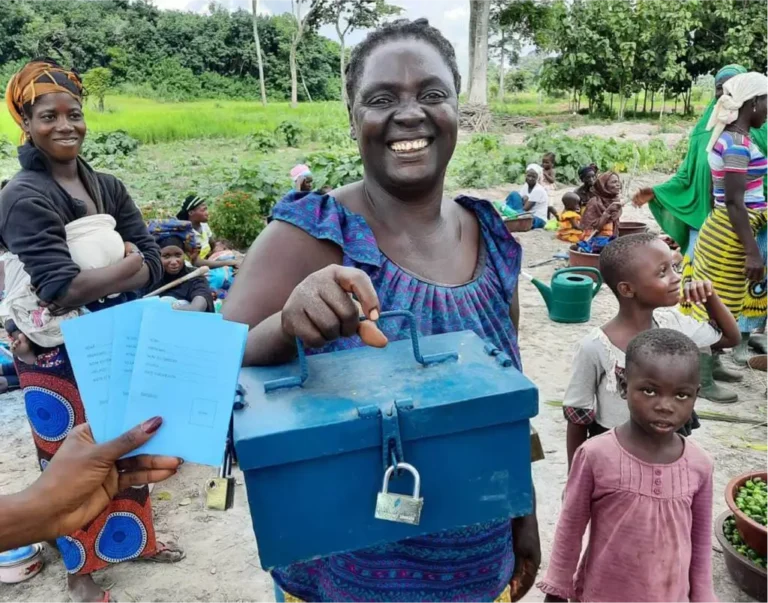
We support communities in setting up women-only savings groups. Meeting weekly, initially with the support of our teams and then gradually independently, these groups enable women to save collectively, access small loans and benefit from a solidarity fund in the event of an emergency.
These savings and credit mechanisms also give them the means to finance the business activities they conceived and planned during the GALS training, thereby enabling them to turn their projects into tangible achievements.
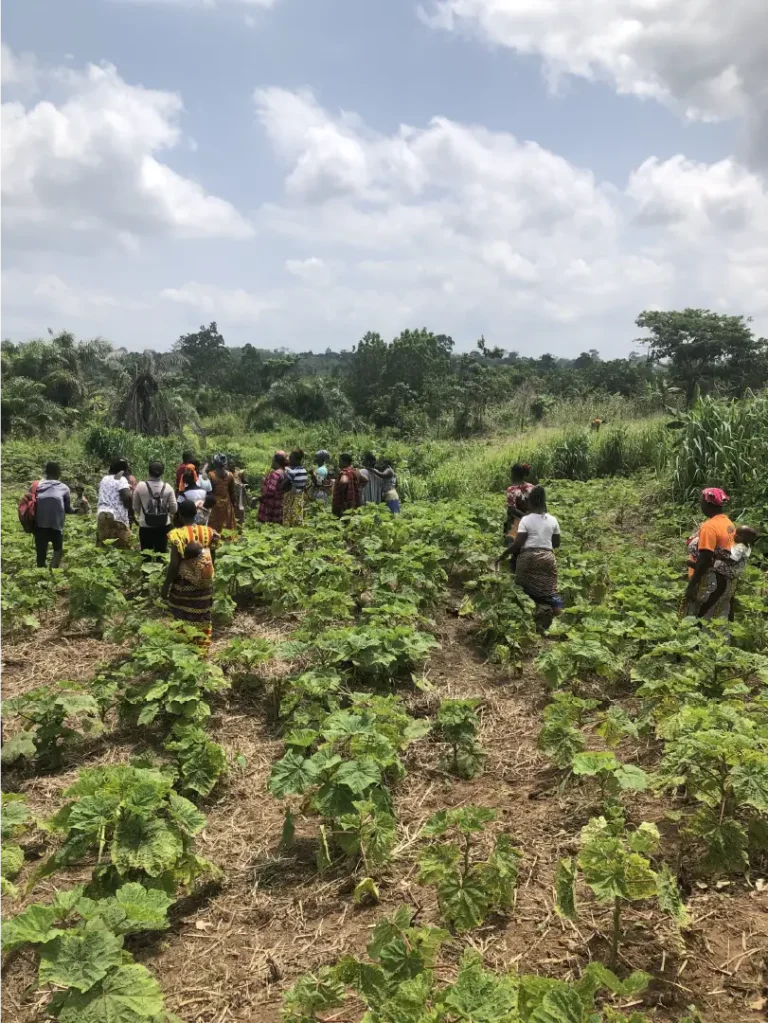
Women’s Gardens
Our gardens serve as centres for training and learning. Here, women learn cultivation techniques and best practices specific to the crops they wish to grow, with the aim of replicating them on their own plots. They also receive training in nutrition.
Training Producers in Agricultural Techniques
Training in good agricultural practices
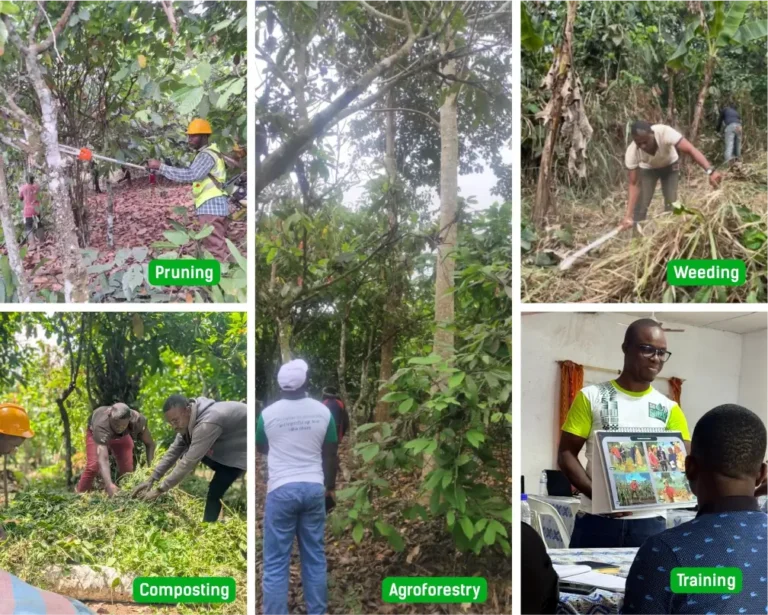
Our field officers train farmers and agricultural workers’ teams in practices that improve plot productivity whilst preserving the environment:
- Agroforestry: combining shade trees with cocoa trees protects the plants from the heat, reduces erosion, optimises evapotranspiration, and promotes biodiversity.
- Pruning cocoa trees: regular pruning improves airflow around the trees, reduces the risk of disease and focuses the plant’s energy on pod production, thereby increasing cocoa tree yields.
- Weeding: regularly removing weeds ensures that cocoa trees do not have to compete for water and nutrients in the soil, allowing them to thrive.
- Compost and organic inputs: we make use of cocoa waste, particularly the pods, which are often left unused on plantations.
- Biological Control and Ecosystem Services: we raise producers’ awareness of the role of soil, water, pollinators and wildlife in the health of their plantations.
Introduction of intercrops
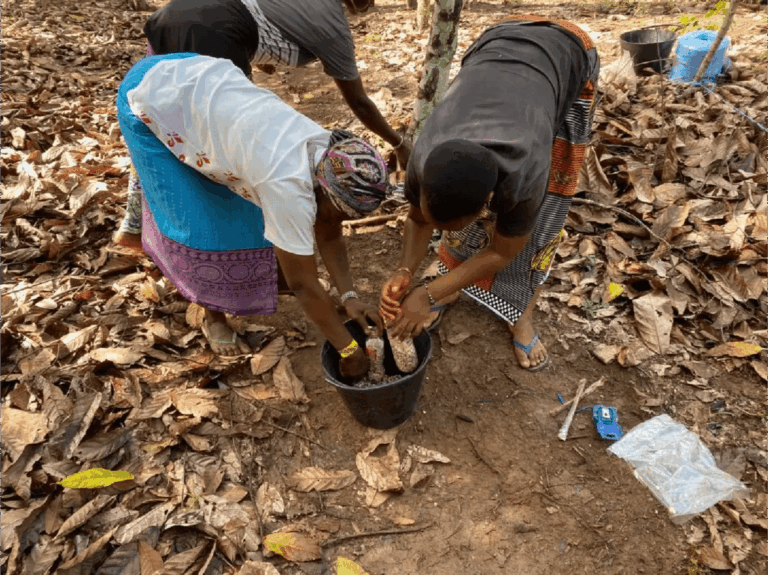
We support farmers in introducing crops grown alongside cocoa, such as beans. Grown between the rows of cocoa trees, these crops can be harvested more quickly than cocoa and thus provide an additional source of income or produce for the household. As a legume, the bean fixes nitrogen from the air and naturally enriches the soil, benefiting the cocoa trees.
Crop diversification
Sources of income other than cocoa
We are building households’ capacity to develop income-generating activities within their communities. Depending on local needs and opportunities, these activities may be agricultural, such as market gardening or beekeeping; livestock-related, such as snail farming or sheep breeding; or commercial and service-based, such as sewing or juice selling.
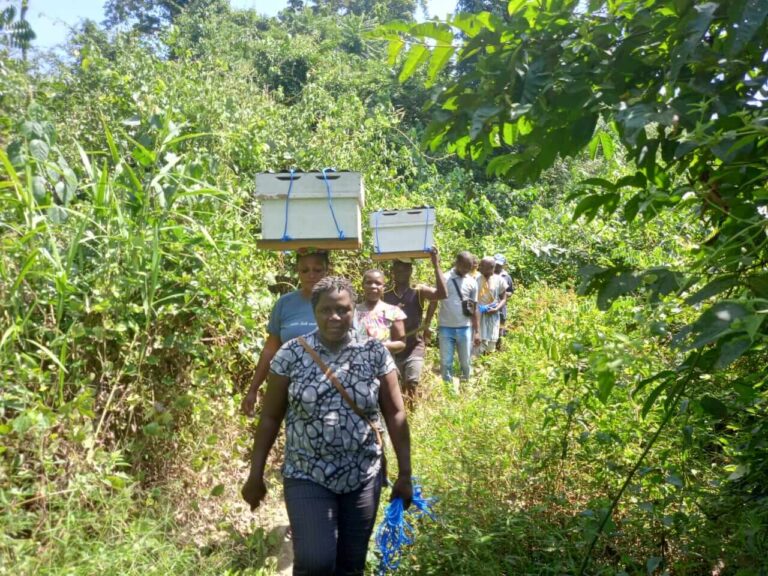
- Beekeeping: We support producers in setting up their hives and offer beekeeping training to those who wish to take part. Regular hive inspections enable us to adjust practices and implement corrective measures where necessary.
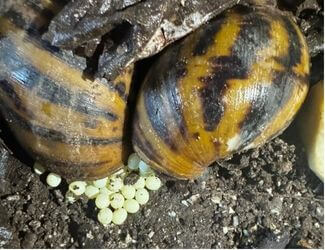
- Snail Farming: We support households in setting up African giant snail farms, a highly sought-after commodity in local markets. This activity offers a good return on investment and is well-suited to the climate of cocoa-growing regions.
Market research and capacity building
Before launching a business, we carry out market research to identify promising sectors. Households are then trained and supported in setting up and managing their businesses.
Market access through our network of partners
We draw on our network of partners to provide producers with market access and ensure the sale of their produce.
Blolequin Village Cooperative
"So-B-Green is a highly hands-on team that’s always there to support us and work alongside us."
Guiglo Village Cooperative
“Since the start of our partnership in 2019, we’ve seen tremendous progress thanks to SBG. Their efforts have truly helped our various divisions grow, particularly through excellent collaboration with producers and the revenue acceleration project. This is very beneficial for the cooperative; SBG has been a tremendous support.”
Producer from the village of Guiglo
“The initiatives carried out by So-B-Green have improved our daily lives: our children’s education, my wife’s work, and our work in cocoa farming. Before, we didn’t know that cocoa trees needed to be pruned. So-B-Green taught us these practices, and they’re helping us produce better crops today.”
Why Choose So-B-Green?
Incentive payments via Mobile Money (MOMO), starting with a pilot/demonstration program and then scaling up
Adaptation to local conditions and programs developed in collaboration with farmers
Field teams working closely with communities
Our other support services
Traceability
EUDR Compliance
Compliance with Industry-Specific Certifications
Regional resilience
Corporate Social Responsibility
Turn your commitments into a driver of performance. CSR is a comprehensive sustainability strategy that drives performance, going beyond a product- or supply chain-focused approach.
